
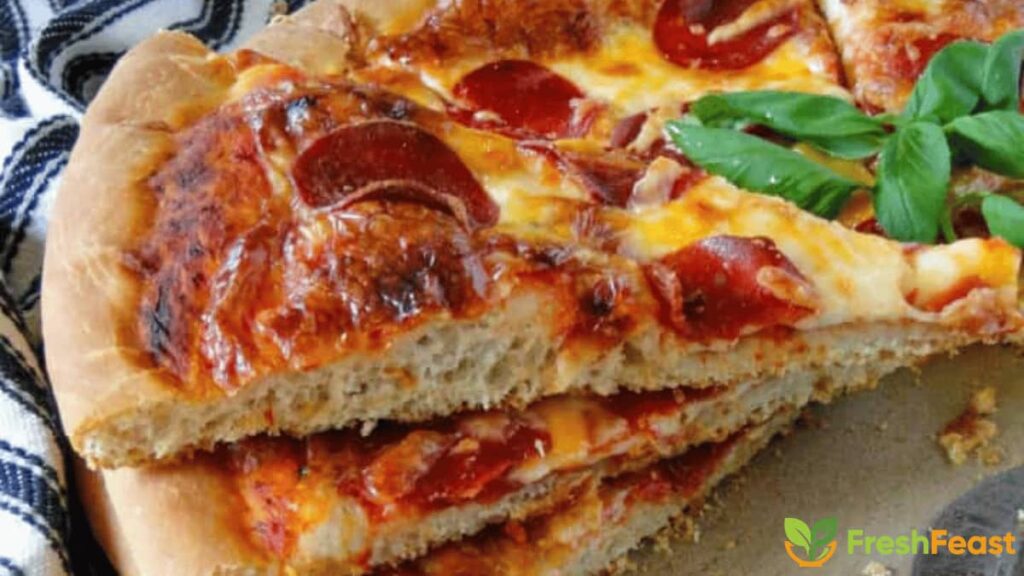
Making pizza at home is one of the easiest ways to enjoy a fresh, delicious meal with family and friends. While store-bought dough is convenient, nothing compares to the taste and texture of homemade pizza dough. With just a few basic ingredients, you can create a soft, chewy crust with a crispy golden edge that rivals your favorite pizzeria.
This recipe is perfect for beginners because it requires no special equipment or advanced baking skills. Whether you’re making a classic cheese pizza, a vegetable pizza, or a meat lover’s pizza, this dough provides the perfect foundation.
Once you learn this recipe, you’ll never need to buy frozen pizza dough again.
Why You’ll Love This Recipe
There are many reasons to make your own pizza dough at home.
- Soft and chewy texture
- Crispy edges after baking
- Simple pantry ingredients
- Budget-friendly
- Easy enough for beginners
- Great for homemade pizza nights
- Freezes well for future meals
- Customizable for different pizza styles
Ingredients
This recipe makes enough dough for two medium pizzas.
For the Dough
- 3½ cups all-purpose flour
- 2¼ teaspoons active dry yeast (1 packet)
- 1¼ cups warm water (about 110°F / 43°C)
- 2 tablespoons olive oil
- 1 teaspoon sugar
- 1 teaspoon salt
Optional Toppings
- Pizza sauce
- Mozzarella cheese
- Pepperoni
- Mushrooms
- Bell peppers
- Onions
- Black olives
- Fresh basil
- Parmesan cheese
Kitchen Equipment
You’ll need:
- Large mixing bowl
- Measuring cups
- Measuring spoons
- Wooden spoon or silicone spatula
- Clean kitchen towel
- Baking tray or pizza stone
- Rolling pin (optional)
Step 1: Activate the Yeast
Pour the warm water into a large mixing bowl.
Add the sugar and stir until dissolved.
Sprinkle the active dry yeast over the water.
Allow it to rest for 5–10 minutes.
The mixture should become foamy on the surface. This means the yeast is active and ready to use.
If nothing happens, your yeast may be expired or the water may have been too hot or too cold.
Step 2: Mix the Dough
Add the olive oil and salt to the yeast mixture.
Gradually add the flour, one cup at a time, stirring continuously.
Once the dough begins to come together, use your hands to combine everything into a rough ball.
Don’t worry if the dough looks slightly sticky at first.
Step 3: Knead the Dough
Transfer the dough to a lightly floured surface.
Knead it for about 8–10 minutes.
Use the heel of your hand to push the dough forward, fold it back, and repeat.
As you knead, the dough will become smooth, elastic, and less sticky.
If needed, sprinkle in a little extra flour—but avoid adding too much, or the crust may become dense.
Step 4: Let the Dough Rise
Lightly grease a clean bowl with olive oil.
Place the dough inside and turn it once so it’s lightly coated.
Cover the bowl with a clean kitchen towel or plastic wrap.
Leave it in a warm place for about 60–90 minutes.
The dough should double in size.
A warm kitchen works best, but if your home is cool, you can place the bowl in an unheated oven with the light turned on.
Step 5: Divide and Shape
Once the dough has risen, gently press it down to release the air.
Transfer it to a floured surface.
Divide it into two equal portions.
Shape each portion into a smooth ball.
You can use one immediately and refrigerate or freeze the other for later.
Step 6: Roll Out the Dough
Lightly flour your work surface.
Use your hands or a rolling pin to stretch the dough into a circle about 12 inches (30 cm) wide.
For a thicker crust, keep the dough slightly thicker.
For a thin crust, roll it out more.
Try not to overwork the dough, as this can make it less airy after baking.
Step 7: Add Your Favorite Toppings
Place the shaped dough on a pizza pan or preheated pizza stone.
Spread a thin layer of pizza sauce over the surface, leaving a small border around the edges.
Add shredded mozzarella cheese, then your favorite toppings.
Avoid adding too many toppings, as this can make the center soggy.
Step 8: Bake
Preheat your oven to 475°F (245°C) for at least 20 minutes.
Bake the pizza for 12–15 minutes, or until:
- The crust is golden brown
- The cheese is melted and bubbling
- The bottom of the crust is crisp
Remove the pizza from the oven and let it cool for 2–3 minutes before slicing.
Expert Tips for the Best Homemade Pizza Dough
Use High-Quality Flour
All-purpose flour works well, but bread flour creates an even chewier crust because of its higher protein content.
Measure Ingredients Carefully
Too much flour can make the dough dry and tough. If possible, use a kitchen scale for the most accurate results.
Give the Dough Enough Time to Rise
Don’t rush the rising process. Allowing the dough to double in size helps create a lighter, airier crust.
Preheat the Oven Thoroughly
A hot oven is essential for a crisp bottom and evenly baked pizza.
Don’t Overload with Toppings
Using too many toppings can prevent the dough from cooking properly and leave the center soft.
Delicious Pizza Dough Variations
One of the best things about homemade pizza dough is how versatile it is. Once you’ve mastered the basic recipe, you can easily customize it to suit different tastes and occasions.
Whole Wheat Pizza Dough
Replace half of the all-purpose flour with whole wheat flour for a nuttier flavor and added fiber. You may need to add a little extra water since whole wheat flour absorbs more moisture.
Garlic Herb Crust
Mix one teaspoon of garlic powder, one teaspoon of Italian seasoning, and a tablespoon of grated Parmesan cheese into the dough before kneading. This creates a flavorful crust that pairs perfectly with cheese or vegetable toppings.
Thin Crust Pizza
Divide the dough into three smaller portions instead of two and roll each one thinner. Bake for a slightly shorter time to achieve a crisp, crunchy crust.
Thick Crust Pizza
Use the dough as directed but shape it into a smaller circle for a thick, fluffy crust that’s ideal for deep toppings.
Common Mistakes to Avoid
Even a simple pizza dough recipe can go wrong if a few important steps are skipped.
Using Water That Is Too Hot
Water that’s hotter than 120°F (49°C) can kill the yeast. Use warm water, around 110°F (43°C), for the best results.
Adding Too Much Flour
Extra flour makes the dough dry and tough. The dough should feel slightly soft and smooth after kneading.
Not Kneading Long Enough
Kneading develops gluten, which gives pizza dough its chewy texture. Aim for at least 8 to 10 minutes of kneading by hand.
Skipping the Rising Time
Allowing the dough to rise fully creates a lighter, airier crust. Be patient and let the yeast do its job.
Overloading the Pizza
Adding too much sauce, cheese, or toppings can prevent the crust from baking properly and make the center soggy.
Storage Instructions
If you have leftover dough, don’t throw it away.
Place it in an airtight container or wrap it tightly in plastic wrap.
Store it in the refrigerator for up to three days.
When you’re ready to use it again, let it sit at room temperature for about 30 minutes before shaping.
How to Freeze Homemade Pizza Dough
Homemade pizza dough freezes very well.
- Allow the dough to complete its first rise.
- Divide it into portions.
- Lightly coat each portion with olive oil.
- Wrap tightly in plastic wrap.
- Place inside a freezer-safe bag.
The dough can be frozen for up to three months.
To thaw, transfer it to the refrigerator overnight. Before using, leave it at room temperature for about 30 minutes.
Serving Suggestions
This homemade pizza pairs wonderfully with:
- Caesar salad
- Garlic bread
- Tomato soup
- Roasted vegetables
- Fresh fruit salad
- Lemonade
- Iced tea
For a family pizza night, prepare several topping options and let everyone build their own pizza.
Nutrition Information
Approximate values per serving (without toppings):
- Calories: 280
- Carbohydrates: 52g
- Protein: 8g
- Fat: 5g
- Saturated Fat: 1g
- Fiber: 2g
- Sugar: 1g
- Sodium: 290mg
Nutrition values may vary depending on the ingredients and toppings used.
Frequently Asked Questions
Can I make pizza dough without a stand mixer?
Yes. This recipe is designed to be mixed and kneaded entirely by hand.
Can I use instant yeast?
Yes. Instant yeast can be mixed directly with the dry ingredients and usually doesn’t need to be activated in water first.
Why didn’t my dough rise?
Possible reasons include expired yeast, water that was too hot, or a room that was too cold.
Can I prepare the dough a day ahead?
Absolutely. Store it in the refrigerator after the first rise and use it within three days.
Which flour is best for pizza dough?
Bread flour creates a chewier crust because it contains more protein, but all-purpose flour also works very well.
How do I make the crust crispier?
Bake your pizza on a preheated pizza stone or steel and use a very hot oven.
Can I make this recipe vegan?
Yes. The dough itself is naturally vegan. Simply choose plant-based toppings and cheese.
Should I brush the crust with olive oil?
Brushing the edges with olive oil before baking helps create a beautiful golden color and adds extra flavor.
Pro Tips for Perfect Homemade Pizza
- Measure ingredients carefully for consistent results.
- Let the dough rest if it becomes difficult to stretch.
- Use freshly grated mozzarella for better melting.
- Sprinkle a little cornmeal on the baking tray to help prevent sticking.
- Preheat the oven for at least 20 minutes before baking.
- Rotate the pizza halfway through baking if your oven has hot spots.
Final Thoughts
Making homemade pizza dough is easier than many people think. With just a handful of everyday ingredients, you can create a soft, chewy, and flavorful crust that’s perfect for family dinners, parties, or weekend pizza nights.
The secret to great pizza dough is patience. Give the yeast enough time to work, knead the dough well, and bake it in a fully preheated oven. These simple steps make a huge difference in the final result.
Once you’ve mastered this basic recipe, you can experiment with different flours, herbs, cheeses, and toppings to create endless pizza combinations. Whether you prefer a classic Margherita, a hearty meat lover’s pizza, or a colorful vegetable pizza, this dough provides the perfect base.
We hope this recipe inspires you to make pizza from scratch and enjoy the fun of homemade cooking. If you try this recipe, share it with your family and friends, and don’t forget to explore more easy recipes here on FreshFeast for your next delicious meal.
Happy baking!